
Your contribution helps us reach communities across London and share our plans for the city.
My mother was thirty-six years old, and she was dying, and every adult in that room had quietly agreed not to say so. I was a boy. I knew anyway. The five of us had travelled down from Sunyani to see her. She prayed over us. She laid her hands on our heads, one by one, the way she always had. Then she stopped at me. And she said eight words.
I have carried those eight words through a night cleaning shift, a building site, a lecture theatre, a warehouse floor and a boardroom. I carried them onto a plane to London with everything I owned in a single bag. I am carrying them now, into a campaign to lead this city.
I’ll tell you what she said. But it won’t mean much yet — not until you know the woman who said it. This is my story. It begins in Ghana.
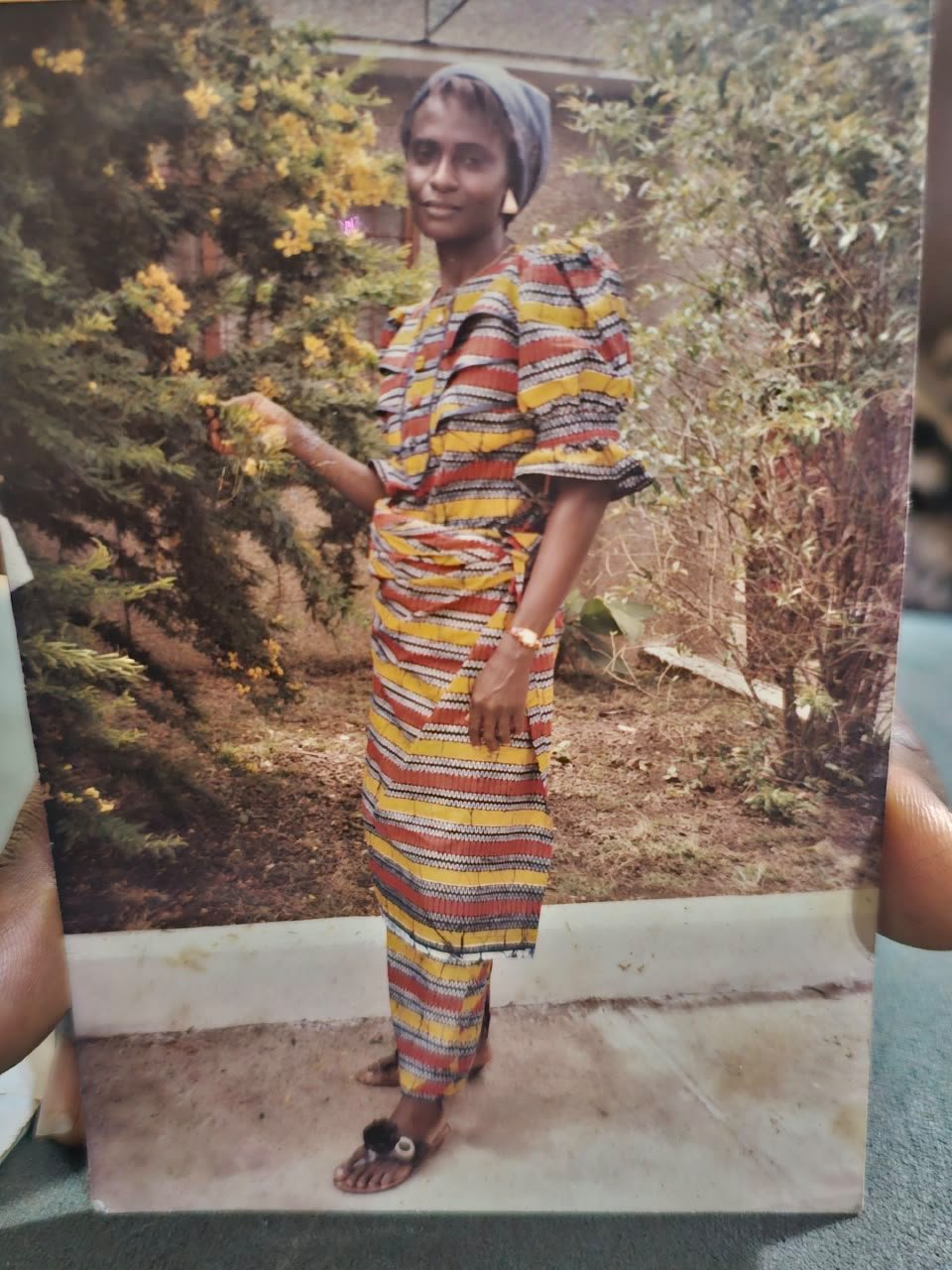
The Woman Who Never Stopped Moving
Growing up in Ghana
My name is Eric Francis Manu. At home in Ghana, people call me Kofi, or Dada Kofi. Kofi is the name I was given at birth. Eric Francis Manu is the name of my mother, Joana, and my father chose for me.
I was born in Juaben, near Kumasi, in the Ashanti Region.
I am the oldest of five. My father was a Prison Officer, which in Ghana means the state decides where your family lives. When I was five or six, not long after he joined the service, he was posted to Navrongo, up in the Upper East Region near the border with Burkina Faso. We all went with him. I did most of my primary schooling there.
Nobody asked how we felt about it. That was the arrangement. What I took from those years, without realizing I was taking anything, was a skill I’ve used ever since: how to arrive somewhere you know nobody, and make it work.
But the person who shaped me was my mother.
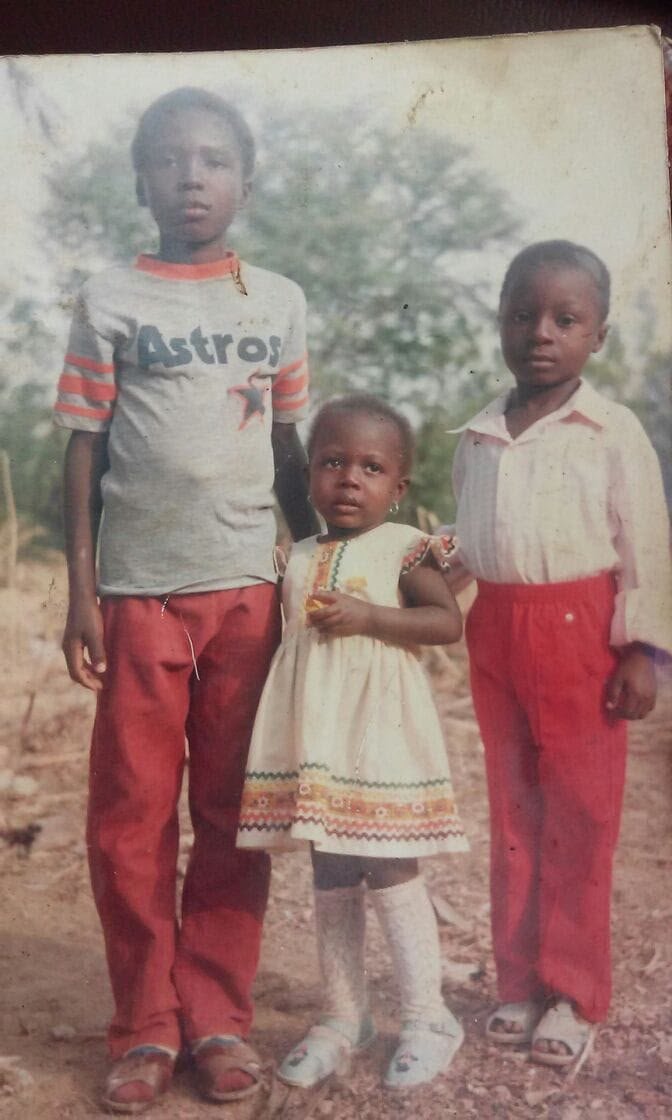
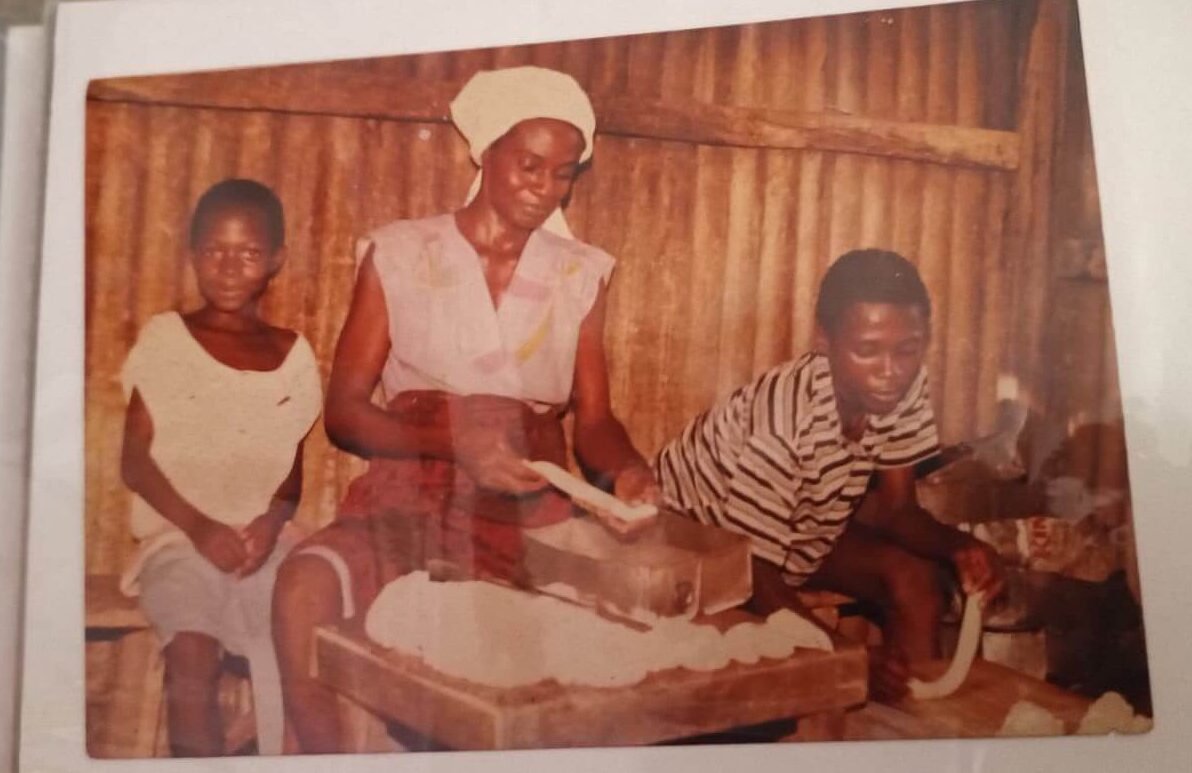
She never stopped moving. She sold charcoal. She baked bread. She sold second-hand clothes. She cooked rice and stew and sold it at schools. If there was money in something, she was already in it. If there wasn’t, she was looking at the next thing.
I watched her calculate. I watched her negotiate. I watched her take a small idea, test it on a Tuesday, and have it running properly by the following week.
I was watching a businesswoman work, every single day of my childhood.
I just didn’t have the word for it yet.
And I had no idea, not the faintest idea, that I was also watching the clock.
In our house, everyone had a job. Mine was the bread.
After school I would eat something quickly, load up my mother’s bread, and walk it down to the transport station. This was not a chore invented to teach a boy a lesson. It was a job, with real stock, and a mother who asked at the end of it how much I had sold.
And moving through all of that, a primary school boy with a tray.
You learn three things there, and you learn them quickly.
How to walk up to a stranger who has not invited you.
How to be turned down — flatly, repeatedly, and without taking any of it home with you.
And how to stay until the tray is empty, because the tray being empty is the only version of the day that counts.
I did not know I was being trained. I thought I was just selling bread.
Saturdays were different. Saturdays were mine.
I had my own business, and I had a name for it. The Shoe-Shine business.
I’d take my box out to the streets and the houses and polish shoes for whatever people would give me. Brush, polish, cloth, kneeling in front of a stranger, making the job good enough that he’d want me again next week.
Hold on to that picture, if you will. A boy on his knees, in front of another man’s shoes, on a Saturday morning in Ghana.
Twenty-five years later, in a city he had not yet heard of, that boy would build a company that teaches people how to walk into any room in the world.
Being the oldest of five isn’t a title. It’s a shift.
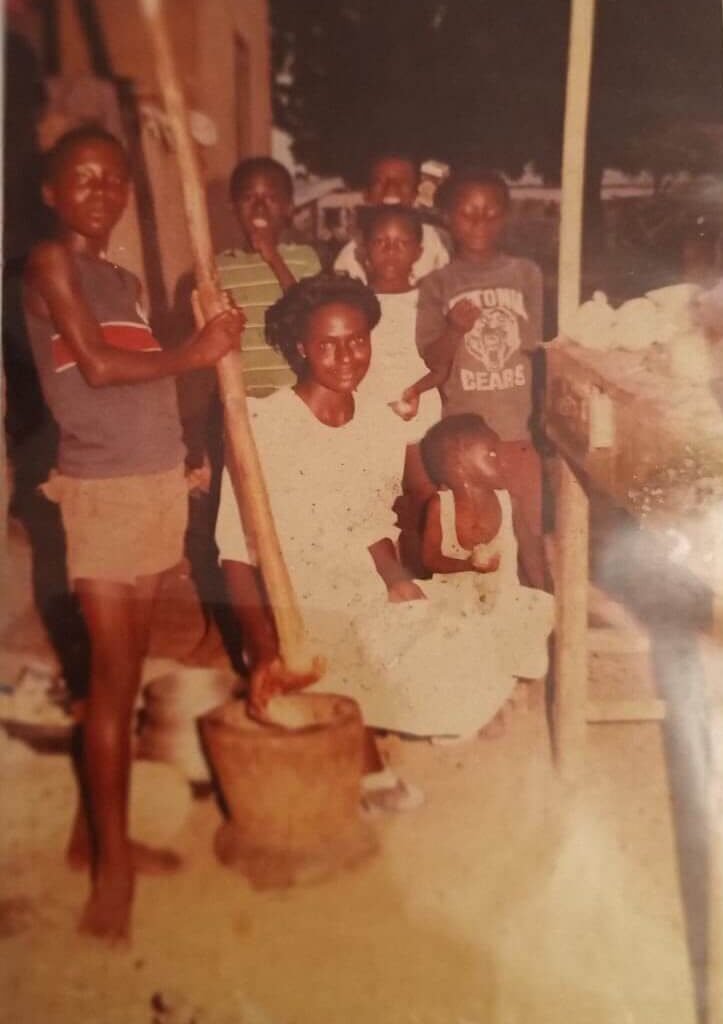
I pounded the fufu. That sounds small. It isn’t. It meant dinner happened. When my mother travelled to trade — Bolgatanga, other towns, days at a time — the house became mine. Four younger children, homework done, food on the table, everyone where they were supposed to be.
My father helped when he could. But prison work is shifting work: some weeks nights, some weeks days, some weeks hours that made no sense to anybody.
So, I stepped forward. Not because anyone made a speech about responsibility. Because somebody had to, and I was there.
After Navrongo came another transfer, this time to Sunyani, in what was then the Brong Ahafo Region. I went to junior high school there.
And that is where my mother started getting tired.
She was diagnosed with cancer. Specialist treatment in Ghana then was far harder to reach than it is now, and my father was a prison officer on a prison officer’s salary. He did everything he could think of. There was a ceiling on it and all of us could see it.
She fought.
We prayed.
And slowly the thing nobody wanted to say became the only thing in the room.
She was moved to Kumasi, to her older sister my Aunt Theresa
That is where we found her, that Christmas.
She prayed over us. She put her hands on our heads. And then she looked at me and said:
“Kofi, please look after my children for me.”
She said it in front of my brothers and sisters. Deliberately, I think.
She told me she didn’t have long. I was a boy, and a Christian, and I believed she was going home to God, and none of that made it easier to stand there and hear it.
Then we went back to Sunyani.
A few weeks later the news came from Kumasi. My mother had died peacefully in her sleep, in the afternoon. My cousin Eunice was with her.
She was thirty-six years old.
I cried that day until there was nothing left in me.
And strangely I have not cried since.
Not when my grandmother died.
Not when my great-grandmother died.
Not for three uncles I loved.
Something closed in on me that afternoon and never opened again.
But those eight words stayed wide open.
After the funeral, the Prison Service did something decent for my father and transferred him to Accra — a new city, a clean start after a year that had taken everything.
For the five of us, life went a different way. My father moved on with his life, and we needed a home.
Aunt Theresa took us. All of us. She already had four children of her own. Almost overnight there were around ten children in a two-bedroom flat.
It was crowded. There was never enough of anything, and the weight of us drained her in ways she never once complained about.
She fed us, clothed us and carried a load that would have broken most people, and she never made one of us feel like a burden she’d been handed.
I have never blamed my father, and I’m not going to start now. This is the story of a great many households, not just ours.
But those years taught me something I have never needed to relearn:
Sometimes the person who changes your life is simply the person who decides not to abandon you.
The Debt
Coming to Britain
The door opened, the way it usually does, through family.
Aunt Theresa’s second son, my cousin Frank, won a place to study in London. Frank had grown up in that flat. He knew exactly what our situation was, and he decided to do something about it, sending me an invitation so I could follow him.
Getting there was another matter entirely. We tried everything we could think of and nothing worked. Eventually we found a travel agency that arranged journeys to the United Kingdom.
The price was £5,000. The year was 2001.
I need you to understand what that number meant to us. Frank was a student. My aunt was feeding ten children. Nobody in my family had ever spent £5,000 or seen it.
An arrangement was reached anyway. The agency would help on one condition: a family member had to stand as guarantor.
My uncle signed.
That is the part I couldn’t put down. Somebody who loved me had put his own name behind mine, at a sum he could not possibly cover, on the strength of nothing but his belief that I would be good for it.
So, before I ever boarded the plane, one thing was already decided:
I was not going to waste this.
What I brought
I landed in London in December 2001.
Aunt Theresa had arrived a month ahead of me and was staying with her husband’s family in Mile End. That family opened their door to both of us. She took the second bedroom with my cousin. I slept in the living room.
Everything I owned fits into one bag:
One pair of trousers. Two shirts. One pair of shoes — proper shoes, not trainers. And a camera.
The camera was a gift from one of my uncles. It had a specific purpose: I was to photograph London and send the pictures home, so that people who would never see this city could see it through me.
One year
I set myself a deadline for the flight, and I have never regretted it: clear the £5,000 inside twelve months. Within the year, so my uncle could sleep.
So, I worked. I took cleaning jobs and the hours nobody wanted in buildings were already empty by the time I got to them.
I never once asked whether a job was impressive. I asked one question, and it’s the same one I’d ask today:
Was it honest work?
If it was, I’d do it.
I paid the £5,000 off inside the year. That was my first year in Britain. No qualifications, no contacts, no cushion. Just a debt with a person attached to it.
The City Nobody Looks At
Working hard
My working life didn’t begin in London. It began at a lorry station in Ghana with a tray of bread.
By the time I arrived here I had already sold bread, shined shoes, farmed my own plot, and sold cassava, mangoes and ice water on the street.
My mother had taught me there is dignity in any honest work, and I brought that with me in the bag along with the two shirts.
Over the years in London, I have worked in cleaning, construction, security, care, domiciliary care, warehousing and technology fieldwork.
I worked nights as a security officer at BBC Bush House. There is a particular quiet in a big building after everyone has gone home, and a particular tiredness between two and five in the morning that you cannot explain to anyone who hasn’t worked it.
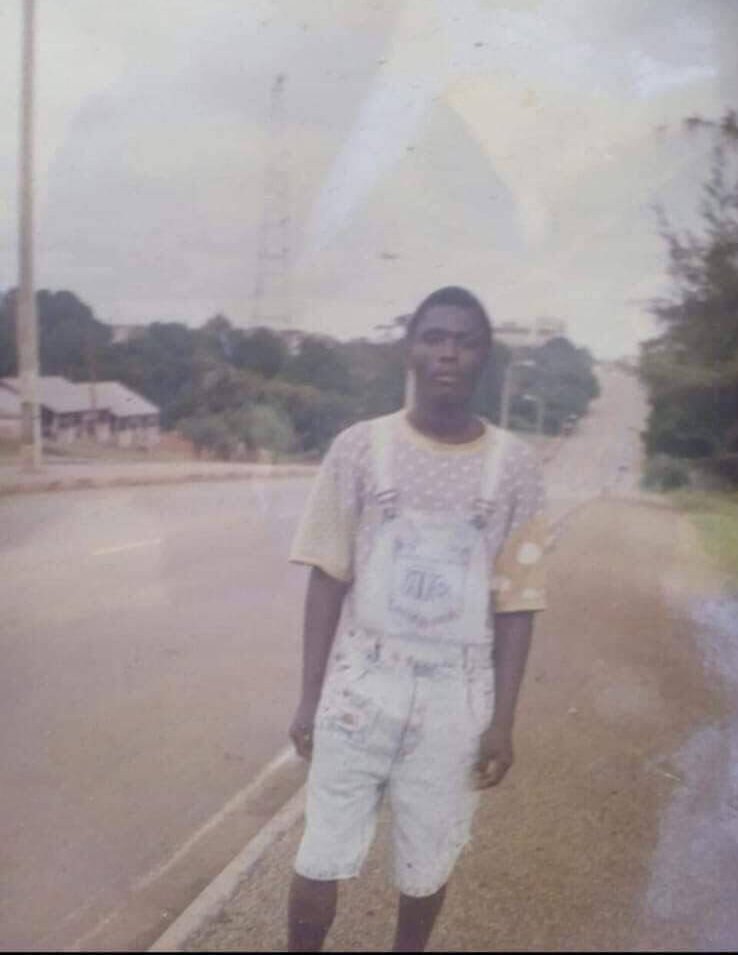
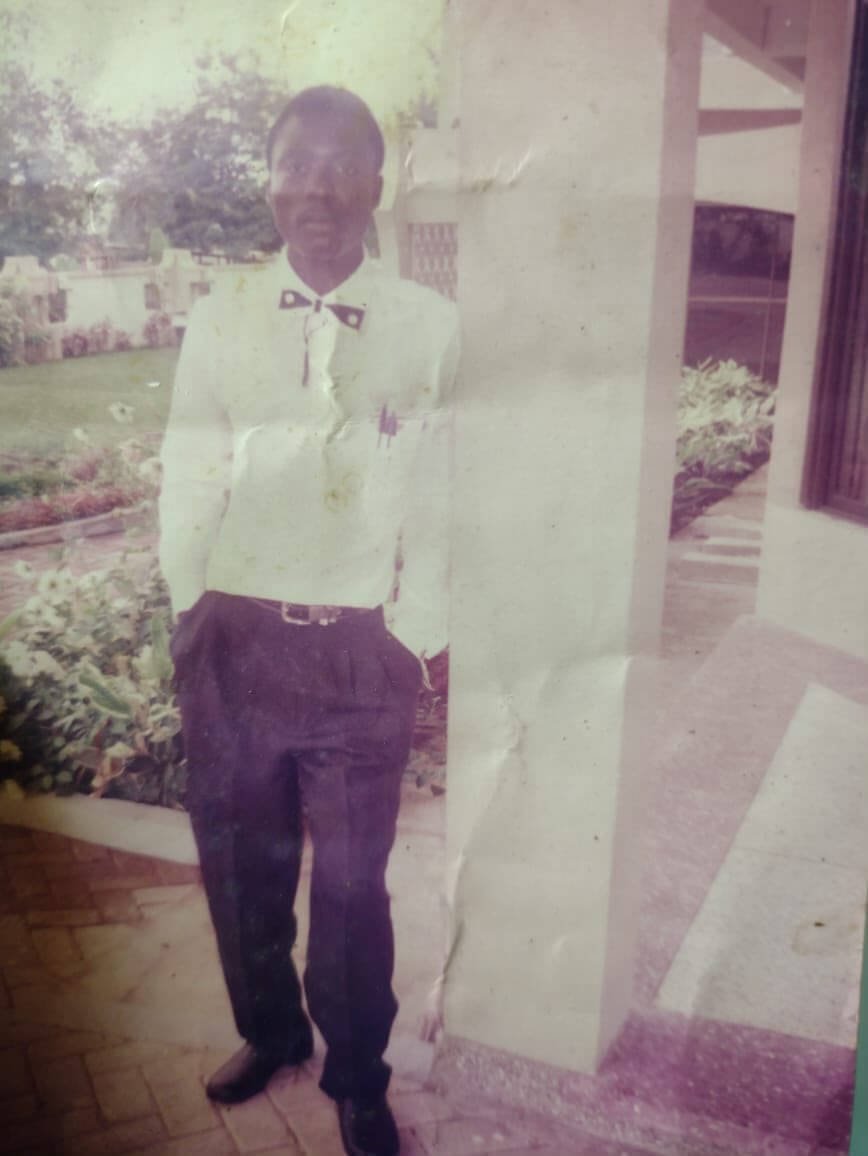
I worked nights as a security officer at BBC Bush House. There is a particular quiet in a big building after everyone has gone home, and a particular tiredness between two and five in the morning that you cannot explain to anyone who hasn’t worked it.
I worked on building sites. I cleaned offices. I worked in care, supporting people who could no longer manage alone.
And I worked in domiciliary care, going house to house looking after older Londoners. You learn something quickly in that job. You are not only there to help someone wash and eat. Very often you are the only person they will speak to all day. The visit is the day.
Then COVID arrived, and I spent it working in care and working security at night. Everyone remembers that period differently. I remember empty streets — and the people still out in them, because somebody had to be.
In December 2001, I arrived in this city carrying a camera so that my family could see London.
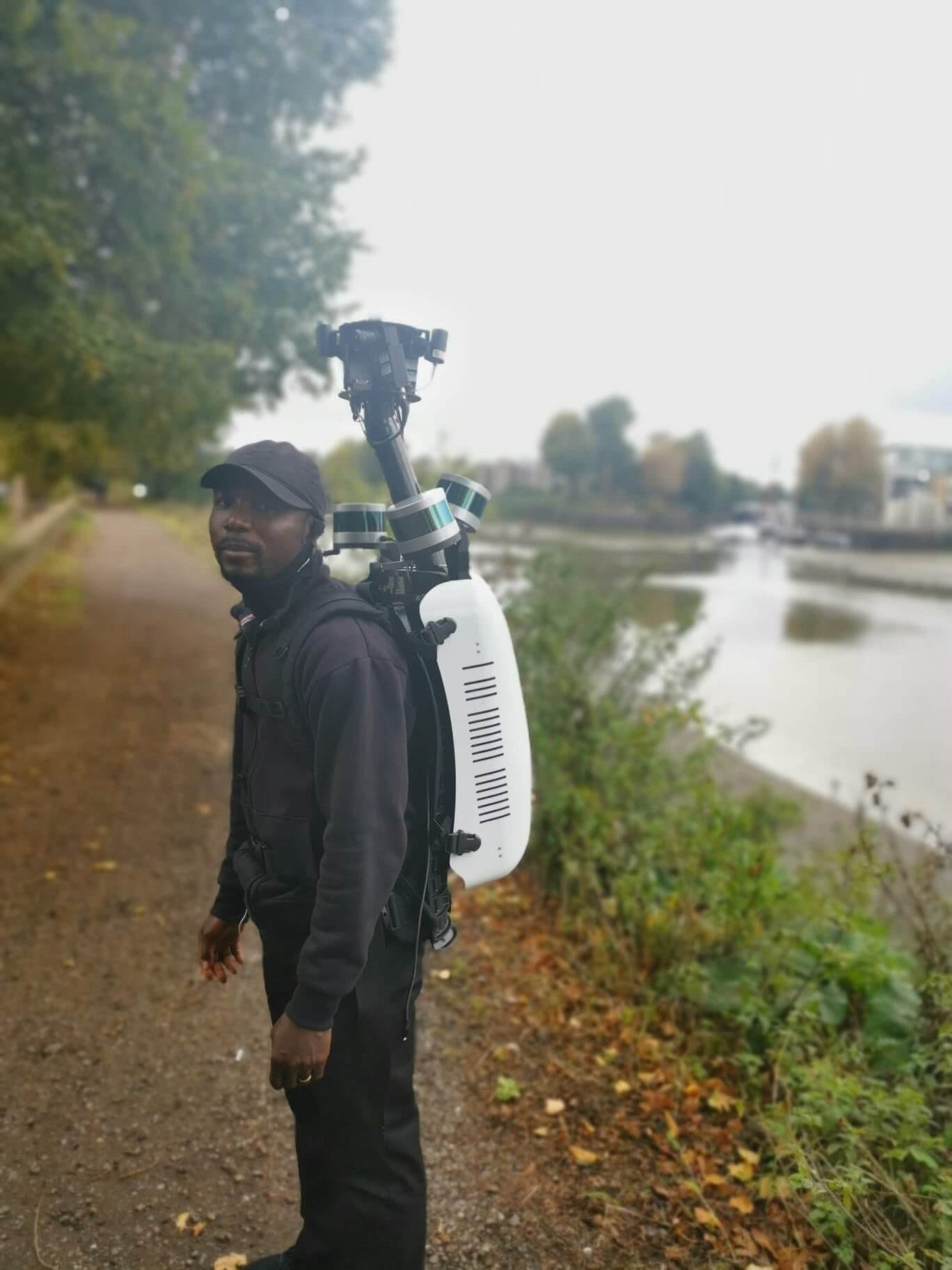
Years later, London paid me to carry one across it.
I worked on Apple Maps. A team of us wore specialist camera equipment on our backs and walked this city, street by street, borough by borough, for weeks and months, capturing the data that went into mapping it.
It was heavy work and it wrecked my feet. It was also the finest education in London I could have had.
That wasn’t research for a campaign. It was a job. But I have covered more of this city on foot than most people will in a lifetime, and I never stopped noticing.
The warehouse
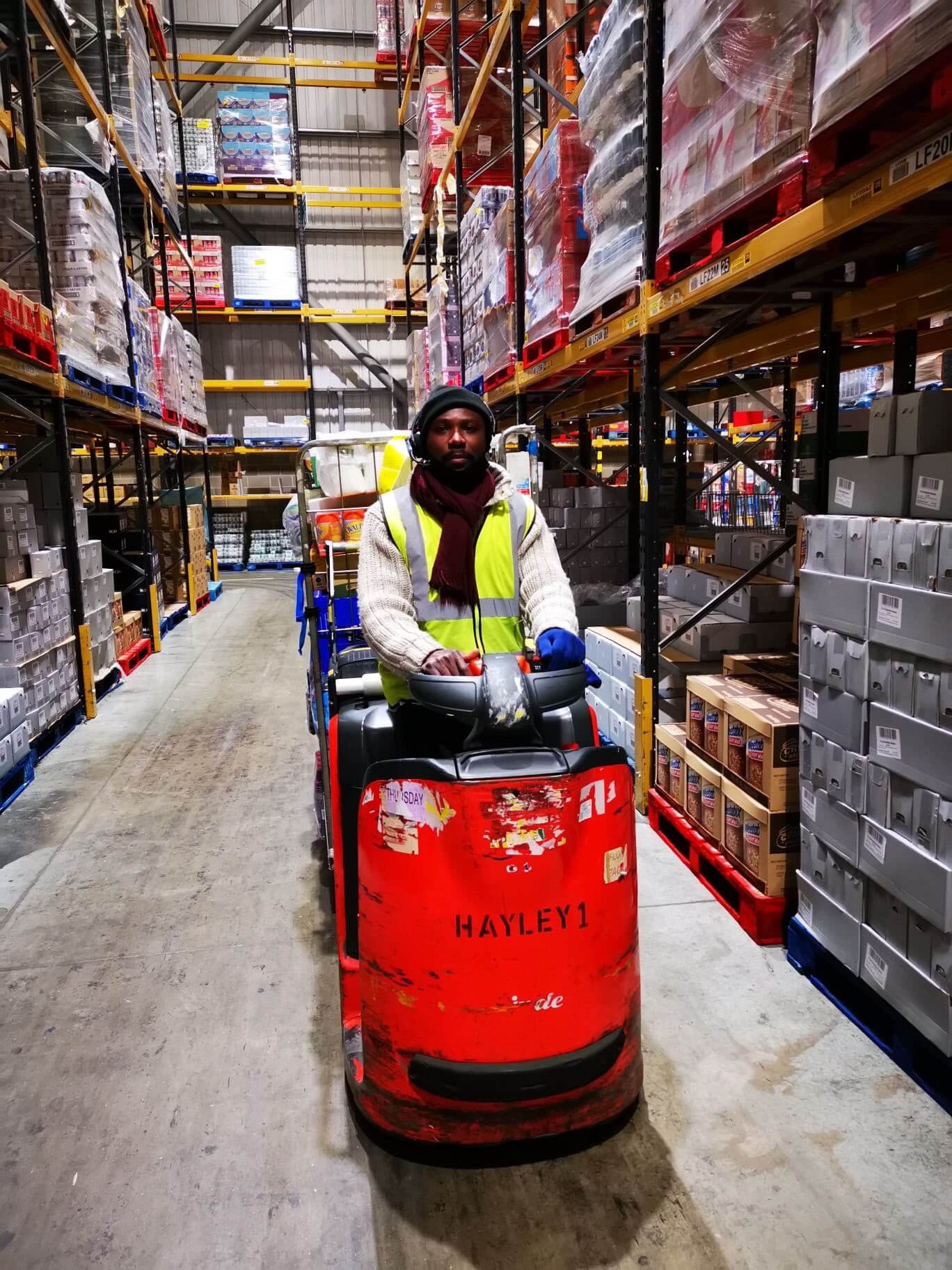
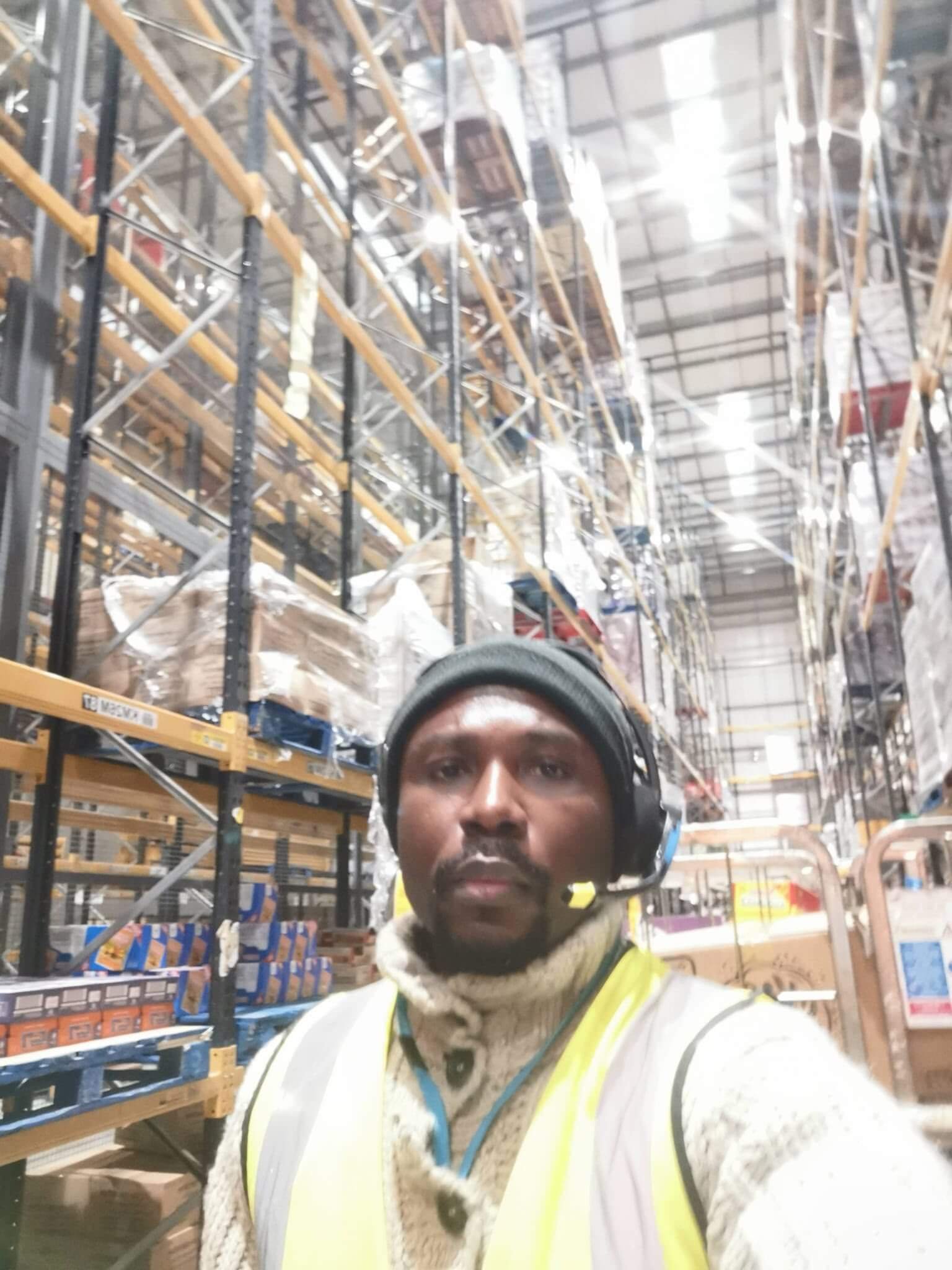
I worked in warehouse environments too, including at Co-op.
Warehouse work is relentless. Long hours on your feet, targets that don’t care how you feel, and a job that has to be finished whether anyone is watching or not.
When I think about London today, I think about the millions doing exactly that right now. Getting up before it’s light. Travelling ninety minutes each way. Working nights. Cleaning the offices, caring for the elderly, filling the shelves, building the homes, driving the vans.
This city runs on people it does not look at.
I was one of them for years, and I never forgot what it felt like to be invisible while doing something essential.
I have not appeared in politics from nowhere.
Twenty Courses
Education and learning
In Ghana, education isn’t an option you weigh up. It’s the foundation everything else is built on. It starts at home long before it starts in a classroom, and the expectation is simply that you keep climbing for as long as you can.
So studying was never a question for me. It was the entire point of coming.
I said something to myself in those first weeks, and I’ve repeated it to a lot of young people since:
“I didn’t come to London to play. I came to find my dreams.”
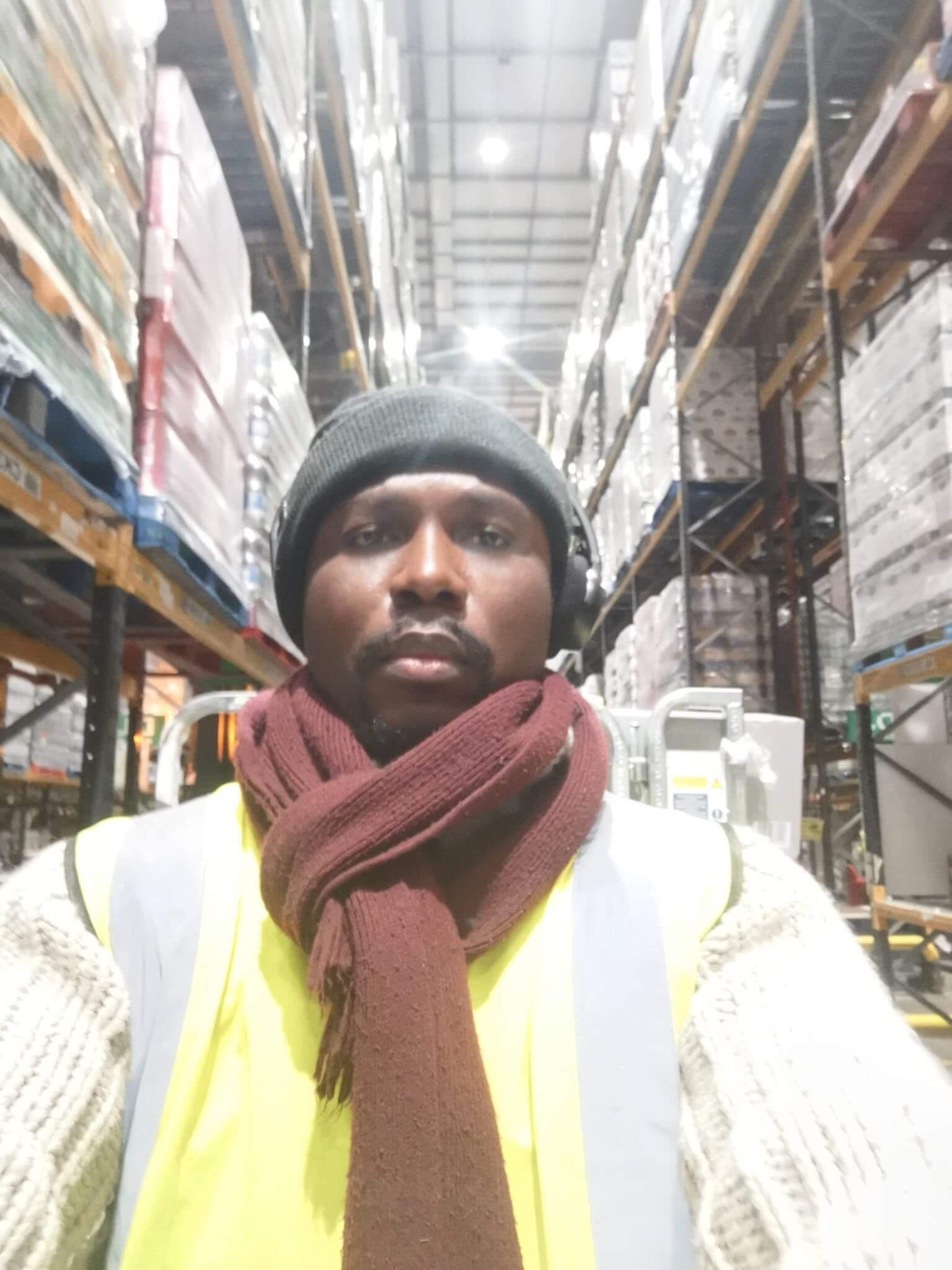
In 2002, I passed my driving test. I then used that driving license as the identification that got me enrolled on an Access to Higher Education programme at Barking College.
A driving license. That’s what the door turned out to be.
From Barking I was accepted into a Computer Science degree at Middlesex University. I worked the entire way through it. Rent had to be paid, and my brothers and sisters in Ghana were relying on whatever I could send home. My life became a rotation: work, study, send money, sleep occasionally, repeat.
The part most people leave out
I have started more than twenty courses in my life. I have not finished all of them, and I’m not going to stand in front of anybody pretending otherwise.
I started CIMA. I started ACCA. I studied fashion. I did project management, trading, business, and finance. More recently I began a programme connected with Harvard Business School, and I had to walk away from it because the fees were beyond mine.
That one hurt. I’m still not entirely over it.
Sometimes money runs out. Sometimes work changes. Sometimes family has to come first, and family always comes first. But every one of those courses gave me something, including the ones I abandoned. They taught me how to begin again without shame.
Education is not a straight line. You start. You stop. You change direction. You come back to it years later with two children sleeping upstairs. None of that is failure. All of it is learning.
Why this sits at the center of my campaign
My own route is exactly why I care so much about apprenticeships, internships, skills, training and youth employment.
Not every young person goes to university, and there is nothing wrong with that. One young Londoner will build a brilliant career through an apprenticeship. Another gets there through vocational training. Another needs two weeks of work experience to find out what they’re good at. Other needs one adult willing to open one door.
I know how much one door is worth. Mine was a driving license and a college in Barking.
Sometimes all a person needs is one opportunity.
Both Sides of the Door
Professional career
My first proper professional job was at Burberry, in the accounts team.
I remember what it felt like to sit at a desk with my name on it after years of overalls, high-vis and night shifts. Not pride, exactly. More like disbelief than the same city contained both.
From there my career moved across a wide range of organizations and sectors, financial services, public institutions, local government, education, business, care, technology and community development. I have had work connected with the House of Lords, and with a number of councils.
The names aren’t the point. What those years taught me is.
I stood on the door of a building at night, and I sat at a desk inside one. Very few people see an institution from both sides, and it changes what you notice. You see who gets spoken to and who gets spoken past. You see how many decisions are taken by people who have never met anyone affected by them.
It taught me that real leadership looks far less like authority than people expect, and far more like paying attention.
And it taught me the thing I now believe most firmly: you cannot lead people you have not bothered to understand.
Over time I was drawn further towards education and people development, until I made the move deliberately: out of finance, into teaching and training.
I chose it because I noticed which part of my week I actually looked forward to. It was never reconciliation. It was watching somebody’s confidence change shape in front of me. Watching a person go from “I could never do that” to doing it.
That turned out to be the most important professional decision of my life.
The Woman Who Said No
Entrepreneurship
If I have any instinct for business, I know exactly where it came from. And there’s one story I tell more than any other.
We were living in Sunyani. My mother started buying toilet rolls in bulk from Kumasi and selling them one at a time, door to door.
Then she had an idea. She walked into a local pharmacy and proposed to supply them wholesale.
They looked at her as though she’d lost her mind. Why would a chemist sell toilet rolls?
She talked them into a trial. Within a week, demand had moved so fast that the pharmacy came back to her with an offer. They wanted her exclusively. Sole supplier for the whole town. Guaranteed.
And my mother said no.
She had already seen something bigger than the offer in front of her. Instead of tying herself to one shop, she went out and supplied every pharmacy in Sunyani. The local newspaper picked up the story and wrote about her.
I have thought about that refusal for most of my adult life.
A trader raising five children, who turned down the safe deal because she could see further than the room she was standing in.
When she died, the roads filled. People travelled from Navrongo, from Bolgatanga, from Sunyani, from Kumasi, from villages I had never visited, to be at her funeral. A trader, thirty-six years old, and they came in their thousands.
That is what a life of work and character actually earns you. I’ve never forgotten the size of that crowd.
What I’ve built
My own attempts started with bread and a shoe-shine box and never really stopped.
Over the years I have organized major fashion events, including a flagship press launch and show in Ghana and some of the largest of their kind in London.
I promoted and hosted American gospel artists here, and it was through that work that I met my wife, so I owe those events more than I can express.
I built a men’s tailoring and suit brand. I ran a concierge business serving high-net-worth international clients from Asia and Africa, finding private school places for their children, helping them buy homes in London, and sourcing fine art.
Some of it worked. Some of it didn’t. All of it taught me what small business owners across this city know in their bones: how thin the margins are, how much rests on one person’s shoulders, and how fast it can turn.
The British Protocol Academy
Everything eventually led here.
I have always been fascinated by protocol, etiquette, diplomacy, leadership, good manners, culture and international relations. But my interest has never been about flags and seating plans.
I believe protocol, properly understood, is economics. It’s how nations trade with each other. It’s how business gets done between people who arrive with completely different assumptions about what respect looks like. It creates jobs, protects the jobs that already exist, builds relationships and, at its very best, helps keep the peace.
So, The British Protocol Academy isn’t a finishing school. It’s a company built to give people the knowledge and confidence to walk into any room in the world and know they belong in it, regardless of background, title, religion, position or status.
And here is where I want to bring you back to a Saturday morning in Ghana.
I began my working life on my knees, in front of other men’s shoes. I now run a company that teaches people how to walk into a room.
I didn’t plan that. But I understand it completely. Because I know exactly what it costs to be the person in the room who was never taught the rules — and exactly what it’s worth to have handed them in.
Protocol, in the end, is about people. And people should always come first.
Look After My Children
Giving back
My mother asked me to look after her children.
For years I thought she meant four people.
I looked after Kwame, Appiah, Akos and Jennifer. I helped raise them, and when I got to London I sent money home every month I could, long after everyone expected me to.
But the instruction never closed. It kept widening.
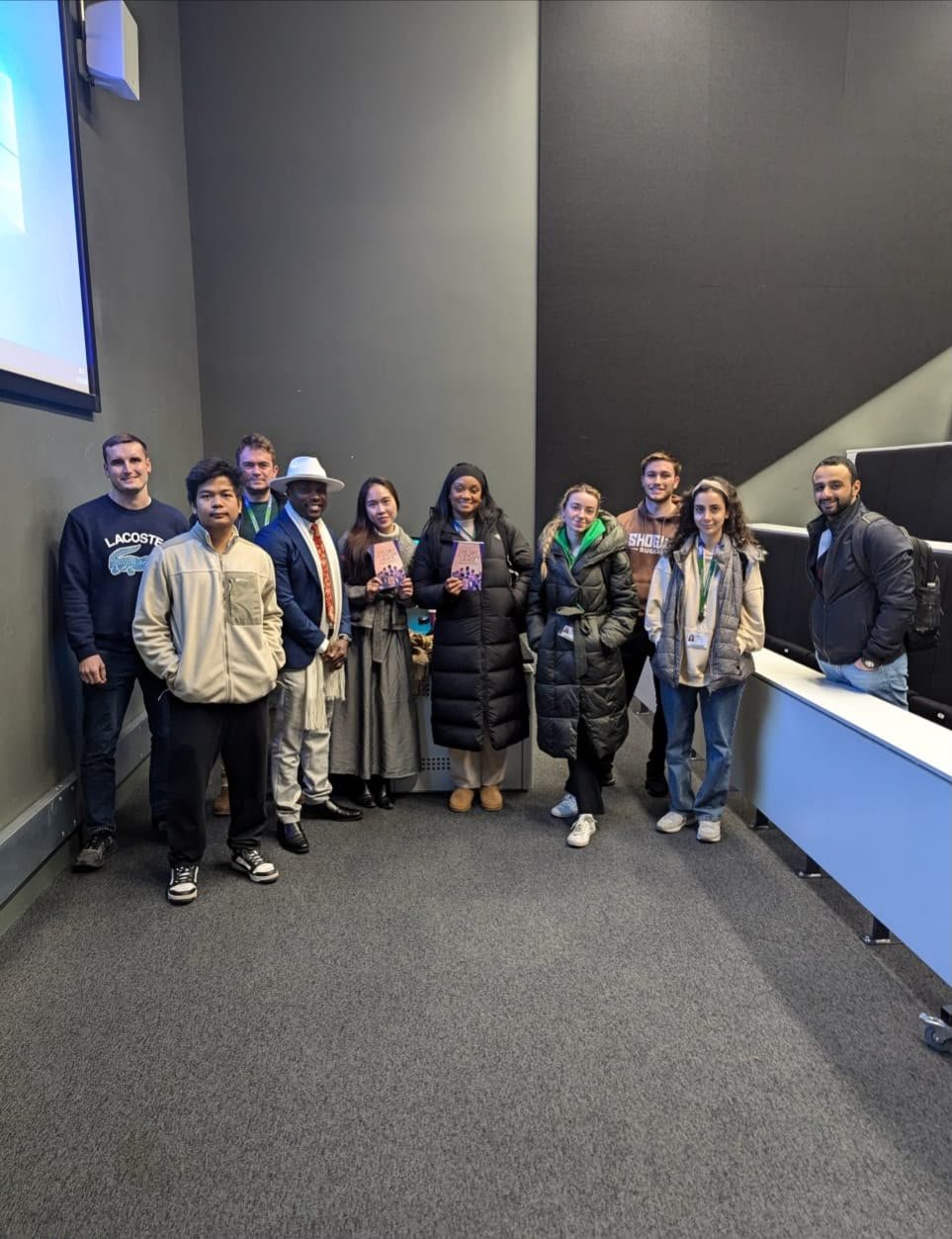
I have served as a school governor. I have volunteered at London colleges, sitting with students working through university applications nobody at home could help them with, filling in forms for a world their families had no map of. I’ve mentored young people. I supported an apprentice through to RICS qualification. I’ve helped others chase professional qualifications and scholarships they were convinced they’d never get.
None of them were my mother’s children. All of them were somebody’s.
What my own children taught me
In Ghana, community is something you inherit. When I came to Britain I found a different version of the same instinct, the volunteering, fundraising, the sheer number of people quietly giving away their Saturdays. I loved it immediately.
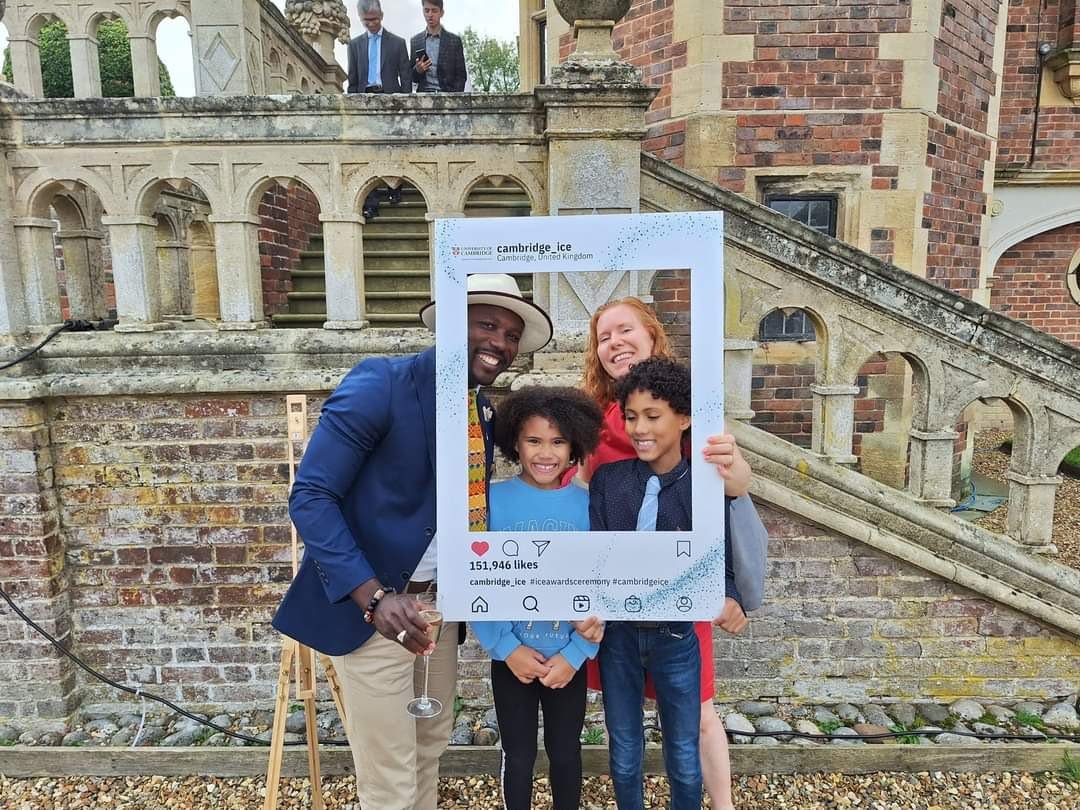
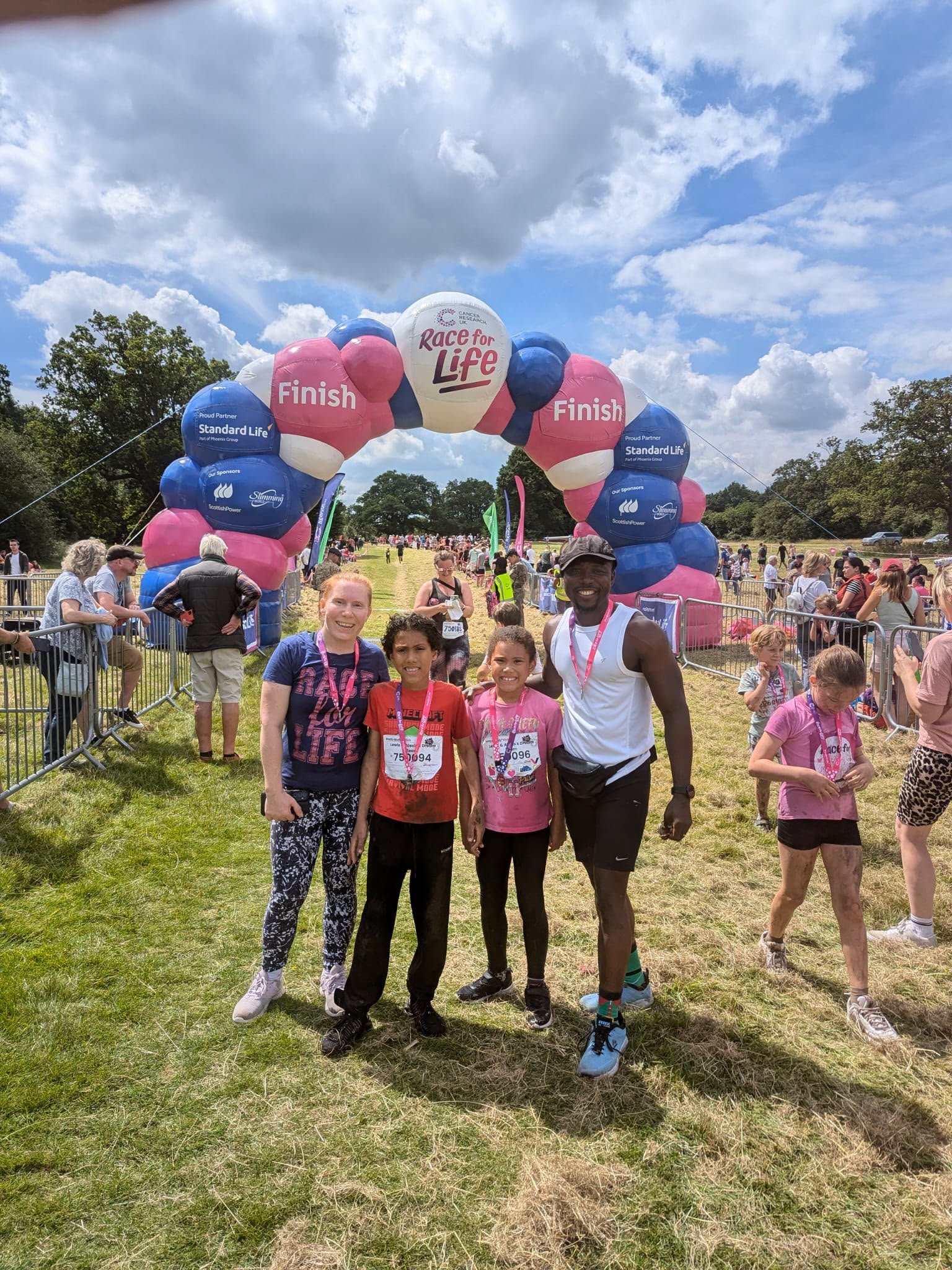
My children, Lewis and Alexis, have spent the last five years raising money for Cancer Research UK, running muddy races that leave them filthy, frozen and delighted.
Cancer took my mother at thirty-six. Later, my wife’s mother took too.
So, when I watch my children run through cold water and mud, year after year, for a cause that has taken so much from both sides of their family, I understand what I’m looking at. The instruction is being handed down. Nobody sat them down and explained it to them.
What I’ve learned from all of it
Doing this work for years taught me one thing above all, and I’d stake the campaign on it:
There is extraordinary talent in every single borough of this city.
Talent has never been London’s problem. But talent alone isn’t enough. People need guidance. Mentors. Training. Work experience. Networks. Somebody who understands how the system works will sit down and explain it.
That is why youth opportunity sits at the center of everything I care about.
Right now, across from this city, there are brilliant young Londoners waiting for one person to give them a chance. I have met hundreds of them. And I know what happens to life when that person arrives, because somebody arrives for me.
The City That Let Me Begin Again
Why London
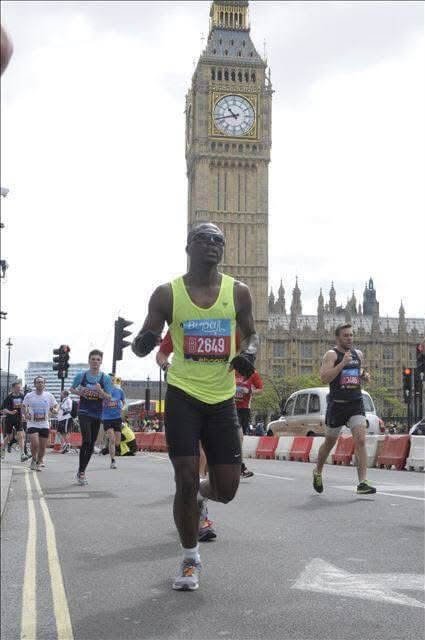
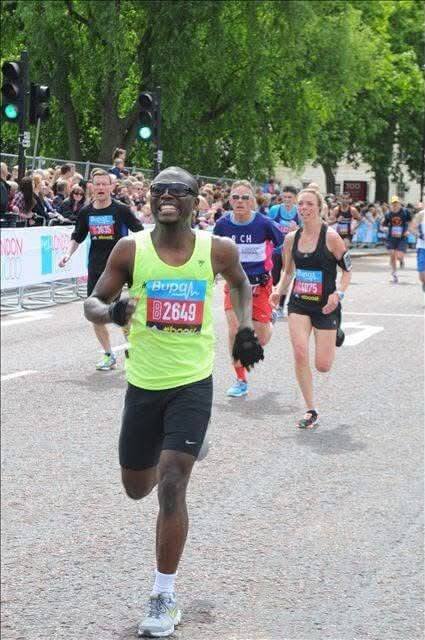
I love running. And I love London.
I have family scattered around the world, including in the United States, and I’ve had every chance to go. I never seriously considered it. When I was looking for a country I couldn’t have chosen anywhere else and offered the choice again tomorrow I wouldn’t change a thing.
This city gave me the one thing I needed more than money, which was permission to start again.
I met my wife here. My children are Londoners.
Every stage of it was possible because of one thing this city does better than almost anywhere on earth.
Opportunity.
London is not perfect, and I’m not going to insult you by pretending it is. There are real problems here around safety, around the cost of living, around housing, and around how unevenly opportunity is spread from one postcode to the next.
I’ve lived here long enough to watch some of those problems get harder rather than easier.
But I still believe this is one of the greatest cities in the world. A place where cultures genuinely meet rather than simply coexist. Where somebody arrives with an idea and finds somebody willing to back it.
Where an education can change the direction of an entire family, in one generation.
My own life is the evidence.
I would like that evidence to be a great deal more common than it currently is.
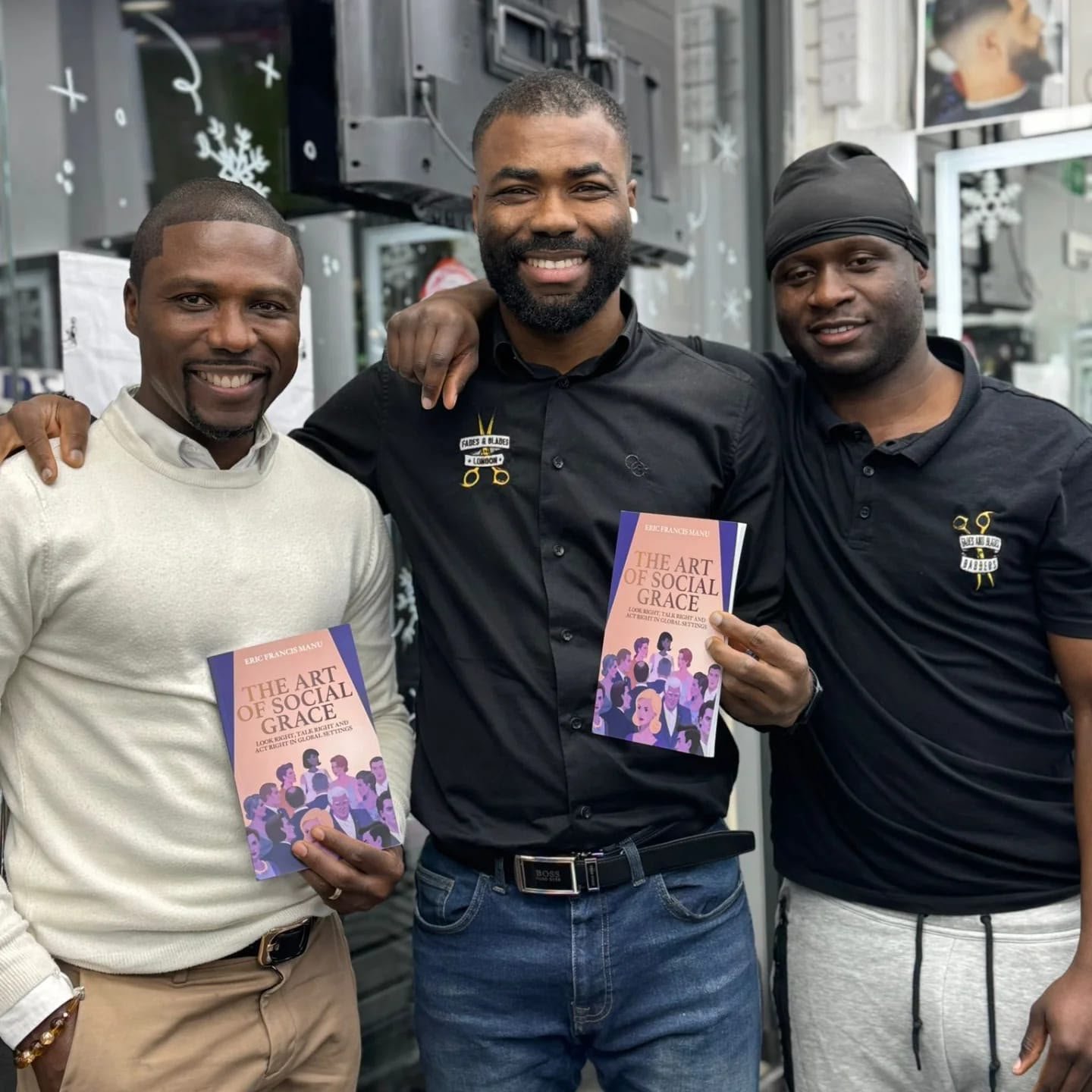
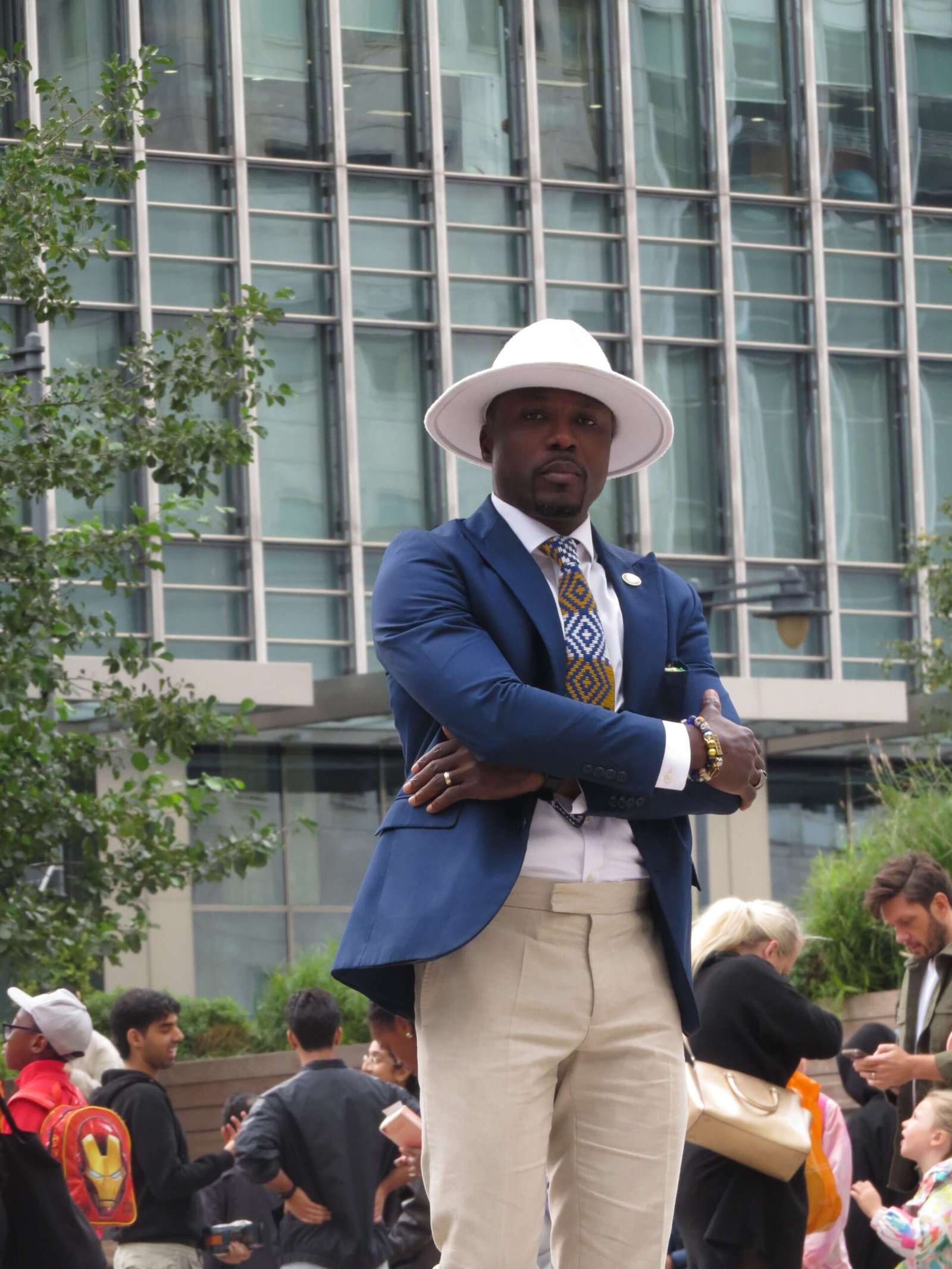
I am running for Mayor of London because I want to make a difference to people’s lives. That’s the whole of it.
Not for the title. I’m running because I believe leadership should be about people, and because there are things I’m no longer willing to stay quiet about.
I believe where you come from should not decide where you can go.
I believe your postcode should not decide your opportunities.
I believe no young person growing up in this city should feel their future was settled before they had any say in it.
My own life taught me that your starting point does not have to be your destination. I didn’t begin with privilege. I began with a dream, and everything since has come from hard work, education, opportunity, resilience and a stubborn belief that tomorrow could be better than today.
My commitment to young Londoners
At the heart of this campaign is youth employment.
I have taught young people, mentored them, sat as a school governor and worked in education for years. I have seen what this city’s young people can do the moment somebody gives them a route in.
I have also seen far too many stall at the very first door.
They do not lack ambition. They do not lack ideas. They do not lack talent. What too many of them lack is access — and access is something a city can choose to fix.
Every young Londoner deserves a chance to learn. A chance to train. A chance to work. A chance to build something of their own.
What I bring
I understand ordinary working people, because I have been one for most of my adult life.
I understand early starts and night shifts. I understand work that leaves your body aching. I understand studying at a kitchen table after a full day and sending money home while trying to build something here. I understand exactly what it takes to start again from nothing in a country where you know almost no one.
I have not simply appeared in politics from nowhere.
The eight words
My mother was thirty-six years old. She was dying in her sister’s house in Kumasi, and she had almost nothing to leave us.
So, she left me an instruction.
“Kofi, please look after my children for me.”
I have kept that promise for most of my life. The children I was asked to look after are grown-ups now, with lives and children of their own.
But somewhere along the way I stopped hearing it as a sentence about four people.
I came to understand it as the only real definition of leadership I have ever needed: look after the ones who cannot yet look after themselves and do it whether or not anyone is watching.
That’s why I’m running.
London gave me my opportunities. Now I want to help create opportunities for every Londoner and especially for the young people of this city, who are somebody’s children too.
Because I believe this with everything I have:
WHERE YOU START SHOULD NOT DETERMINE WHERE YOU FINISH.